
Категории
Последний блог
В робототехнических системах, автоматизированном оборудовании и интеллектуальных машинах защита кабелей — это не второстепенный аспект.
Это напрямую влияет на надежность системы, затраты на техническое обслуживание и долгосрочную стабильность работы.
Среди наиболее часто используемых решений — роботизированные цепные захваты и самозавязывающаяся плетеная рукавная лента Их часто сравнивают, но они предназначены для совершенно разных задач.
В этой статье объясняется, когда следует использовать кабельную цепь, когда — самонаматывающуюся муфту, и почему во многих системах на самом деле необходимы оба варианта.
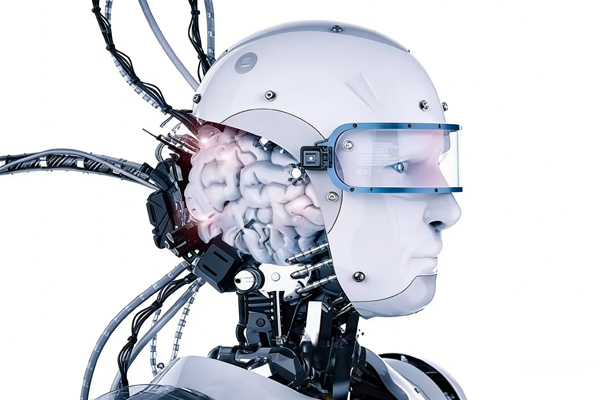
1. Роботизированная цепочка для перетаскивания: разработана для структурированных, повторяющихся движений.
Тросовая цепь (энергетическая цепь) робота предназначена для направления кабелей, шлангов и трубок по заданной траектории движения.
Типичные характеристики
Наиболее подходящие приложения
Ограничения для проводов датчиков
Несмотря на свою прочность, цепь торможения имеет четкие границы:
Для тонких проводов датчиков кабельные цепи могут быть слишком жесткими, особенно вблизи разъемов и выходных отверстий.
2. Самозатягивающаяся плетеная защитная оболочка: гибкая защита для реальных условий эксплуатации.
Самозатягивающаяся плетеная оплетка предназначена для локальной защиты, а не для структурной поддержки.
Основные преимущества
1. Открытая, самозакрывающаяся конструкция.
2. Бережно воздействует на тонкие провода датчиков.
3. Отличная износостойкость
3. Почему одних только цепей недостаточно.
В реальных роботизированных системах большинство отказов кабелей происходит не внутри тяговой цепи.
Они происходят в:
Именно в этих зонах самозатягивающаяся защитная оболочка показывает наилучшие результаты.
4. Практическое руководство по выбору: цепная передача против самонаматывающейся муфты.
|
Область применения |
Рекомендуемое решение |
|
Длинные, повторяющиеся движения |
Роботизированная цепная перетаскивание |
|
Тонкие сенсорные провода |
Самозатягивающаяся рукавная лента |
|
Защита выхода разъема |
Самозатягивающаяся рукавная лента |
|
Системы, требующие частого технического обслуживания |
Самозатягивающаяся рукавная лента |
|
Высокая плотность кабелей внутри цепи |
Совместное использование |
5. Типичная длина самообмоточных рукавов в роботах.
Вместо того чтобы полностью закрывать весь кабельный трассу, инженеры обычно защищают только критически важные участки.
|
Расположение |
Типичная длина |
|
Датчик к неподвижной точке |
200–500 мм |
|
Соединительная или поворотная зона |
300–800 мм |
|
Выход из шкафа управления |
300–1000 мм |
Этот целенаправленный подход к защите:
6. Лучшая практика: комбинируйте, а не заменяйте.
Вопрос не в том, "цепь для протяжки кабеля или самозатягивающаяся муфта".
Профессиональный ответ таков:
Для управления движением используйте цепи, а для защиты в местах поломок — самозатягивающиеся муфты.
Эта комбинация:
Эффективная защита кабелей робота заключается не в выборе самого надежного решения —
Речь идёт о выборе правильного решения для каждой части системы.
Для проводов датчиков и гибких сигнальных кабелей, Самозатягивающаяся плетеная оболочка обеспечивает защиту, не жертвуя при этом удобством использования.
Именно поэтому оно стало предпочтительным решением в следующих областях:




 русский